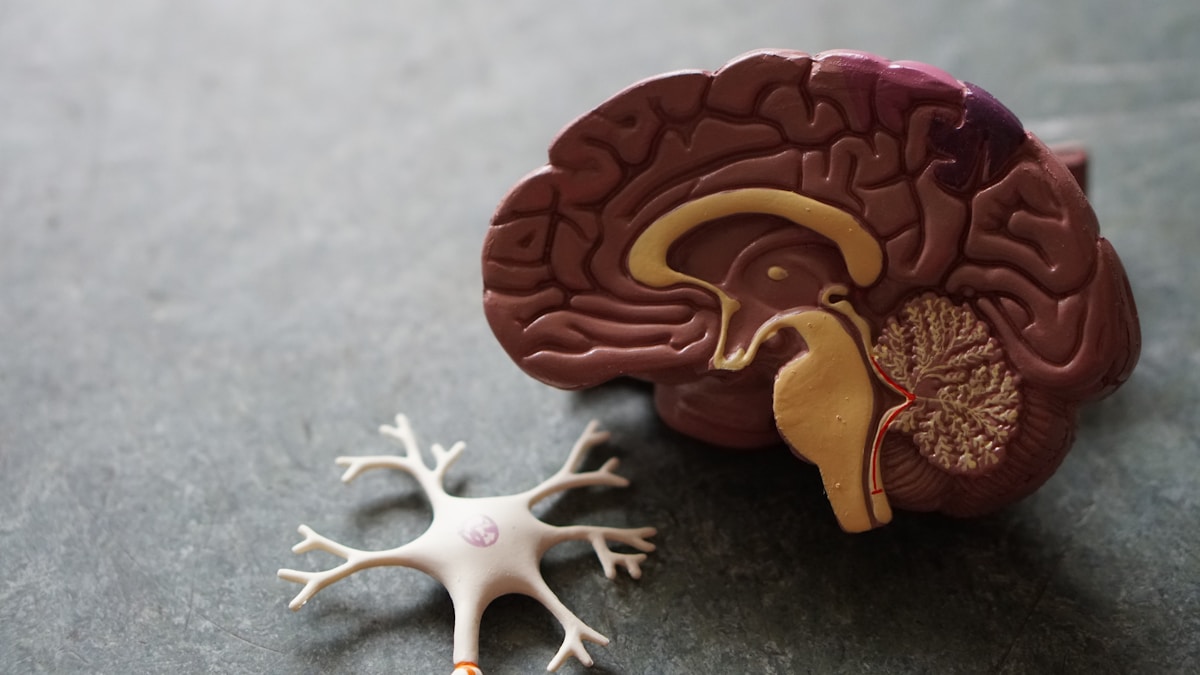
Comparing Popular Nootropics for Focus
A head-to-head analysis of cognitive enhancement supplements
The Rise of Cognitive Enhancement
In an era of constant information overload and demanding workloads, many people are seeking ways to optimize their mental performance. Nootropics—compounds that may enhance cognitive function—have gained significant popularity as tools for improving focus, memory, and mental clarity.
But with so many options available, how do you choose the right one? This comparison guide breaks down the most popular nootropics to help you make an informed decision.
What Exactly Are Nootropics?
How to Choose the Right Nootropic
Selecting the optimal nootropic depends on your specific goals and circumstances:
- For sustained focus – Look for compounds that support dopamine and acetylcholine
- For stress-related focus issues – Consider adaptogens that modulate cortisol
- For memory enhancement – Prioritize compounds that support neuroplasticity
- For creative work – Mild stimulants paired with L-theanine can help
Stacking Strategy That Works
The brain is like a muscle. When it is in use we feel very good. Understanding is joyous.
Explore All Cognitive Supplements
Browse our complete database of nootropics and cognitive enhancers with detailed research summaries.
Browse NootropicsContinue Reading
All articlesUbiquinol vs Ubiquinone: Which CoQ10 to Take?
Ubiquinol and ubiquinone are two forms of CoQ10. Compare absorption trials, the heart failure and fertility evidence, dosing and safety.
Magnesium Threonate vs Glycinate: Which to Take?
Glycinate suits sleep and topping up low magnesium; threonate has small trials for memory. Elemental doses, trial results and safety compared.
Magnesium Oxide vs Glycinate: Which to Take?
Magnesium glycinate is better absorbed and gentler; oxide works as a laxative. Absorption, sleep, migraine, constipation and safety compared.